Master Thesis in Advanced
Product Design
Year:
2021
Activities:
Research
,
Concepting, Design, Visualisation
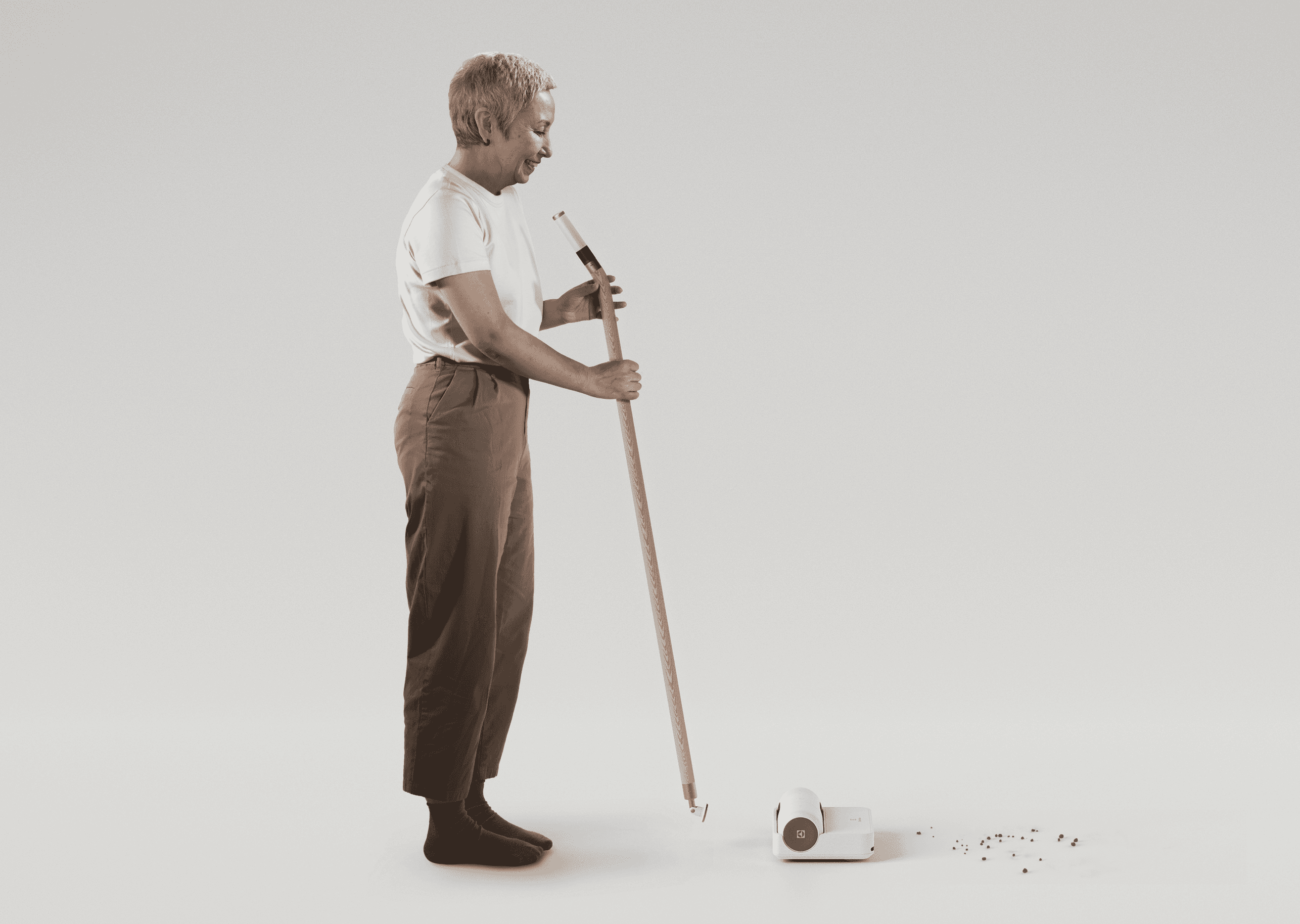
How might we design generative AI workflows that preserve real skin detail and human variation, so products can be shown on bodies that feel honest, recognizable, and real?
About this project
Over the last two years, I’ve been building a deeper understanding of how generative AI actually works and how it is reshaping design practice. Tools like Midjourney, Flux 2, and Firefly have become part of my daily workflow not as experiments, but as tools I actively design with. What interests me most is not the spectacle of AI imagery, but the structural shift it introduces: new ways of sketching, iterating, visualizing, and communicating design intent.
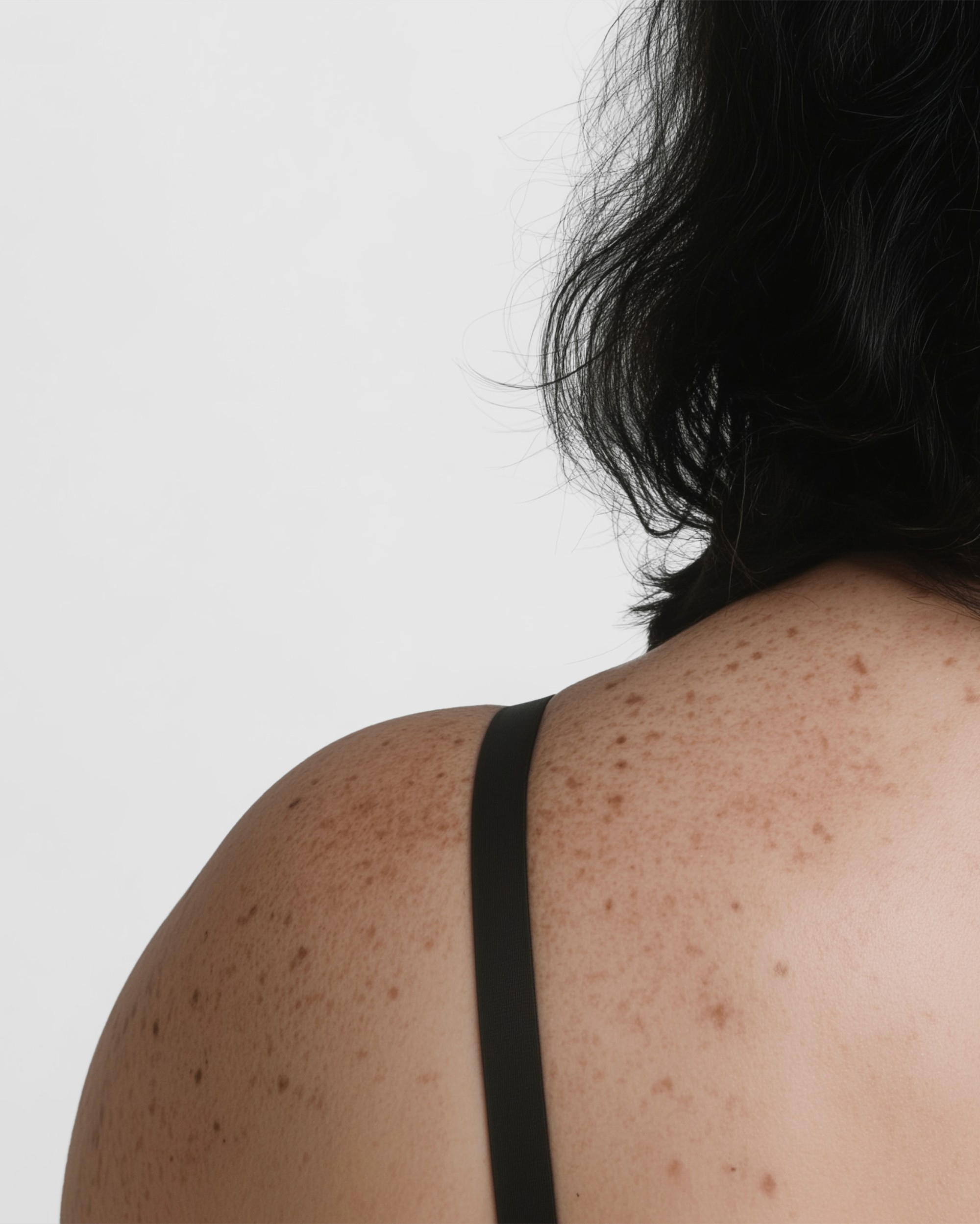
At the same time, the limitations of today’s systems became very clear. While AI is extremely powerful, it still struggles with fundamental design requirements such as character consistency, product scale, and especially realistic bodies and skin. Most models default to smoothing, beautification, and idealized aesthetics not because they “choose” to, but because of biased, narrow training data and an unbalanced representation of real human variation in the datasets they learn from.
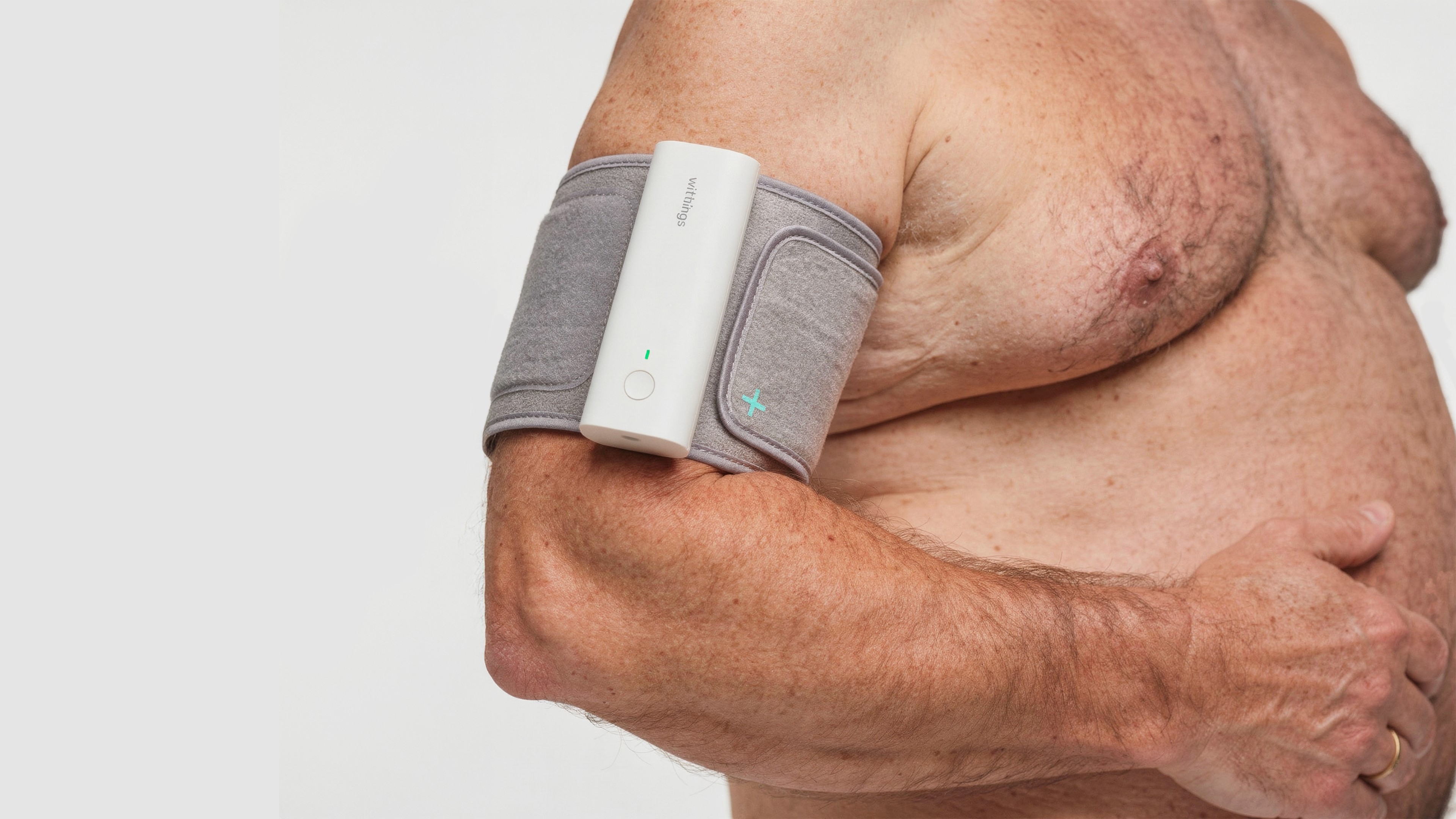
This gap became the starting point for PrettyNormal: an ongoing exploration focused on structuring realistic skin and body data to counterbalance these biases. The project is built around close observation of real people rather than beauty standards, aiming to preserve the details that are usually removed pores, uneven tone, redness, scars, asymmetry, texture. The goal is not perfection, but believability.
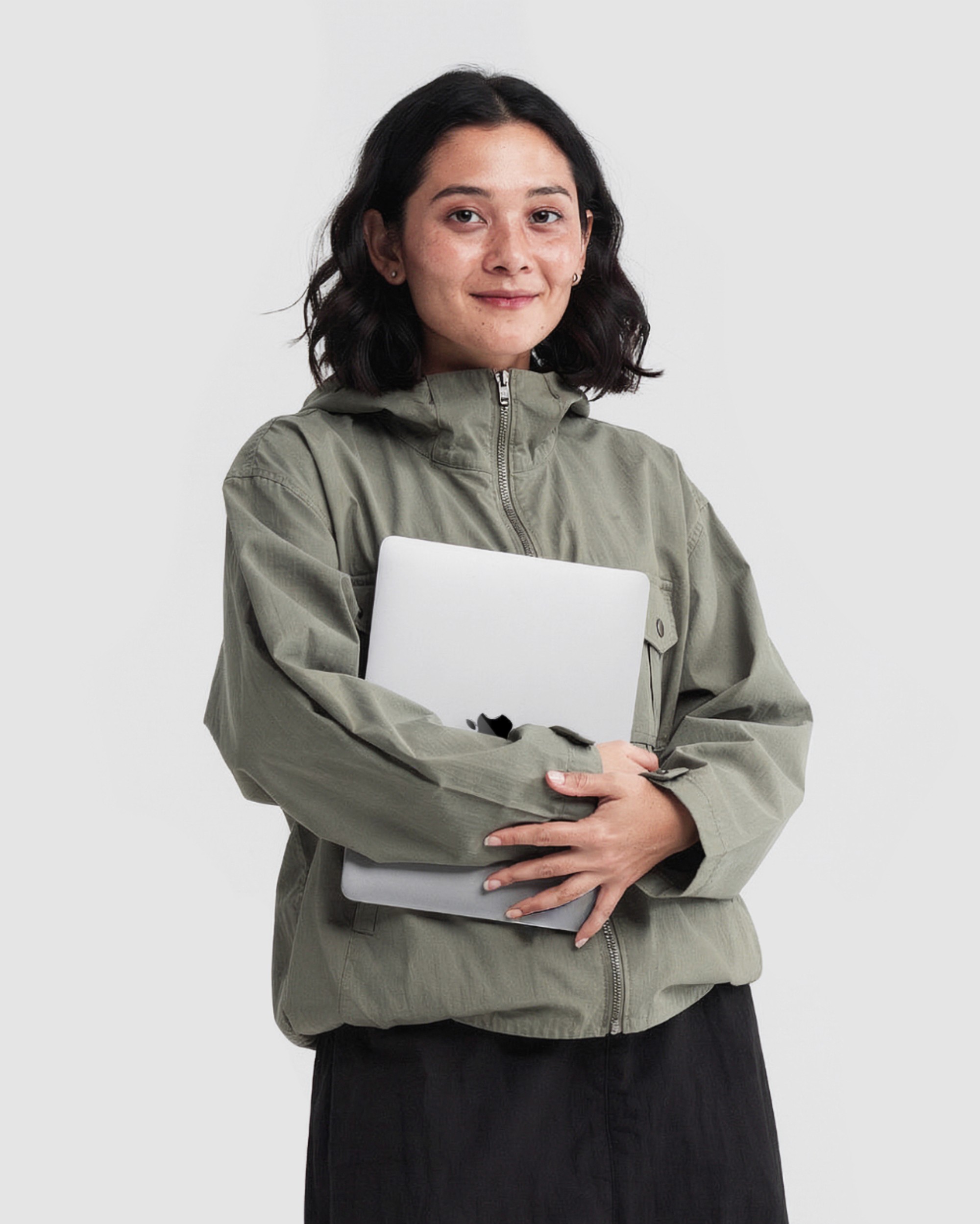
The result is a growing library of fully AI-generated, honest human canvases and a reproducible workflow for showing products and wearables on real skin, in real contexts of use. Instead of relying on generic stock imagery or idealized bodies, this approach enables designers to place products where they actually belong: in everyday life, on bodies that reflect the world as it is.
Design Team
:
Yue Zhao, Oscar Olsson, Nils Achenbach
Industry Partner
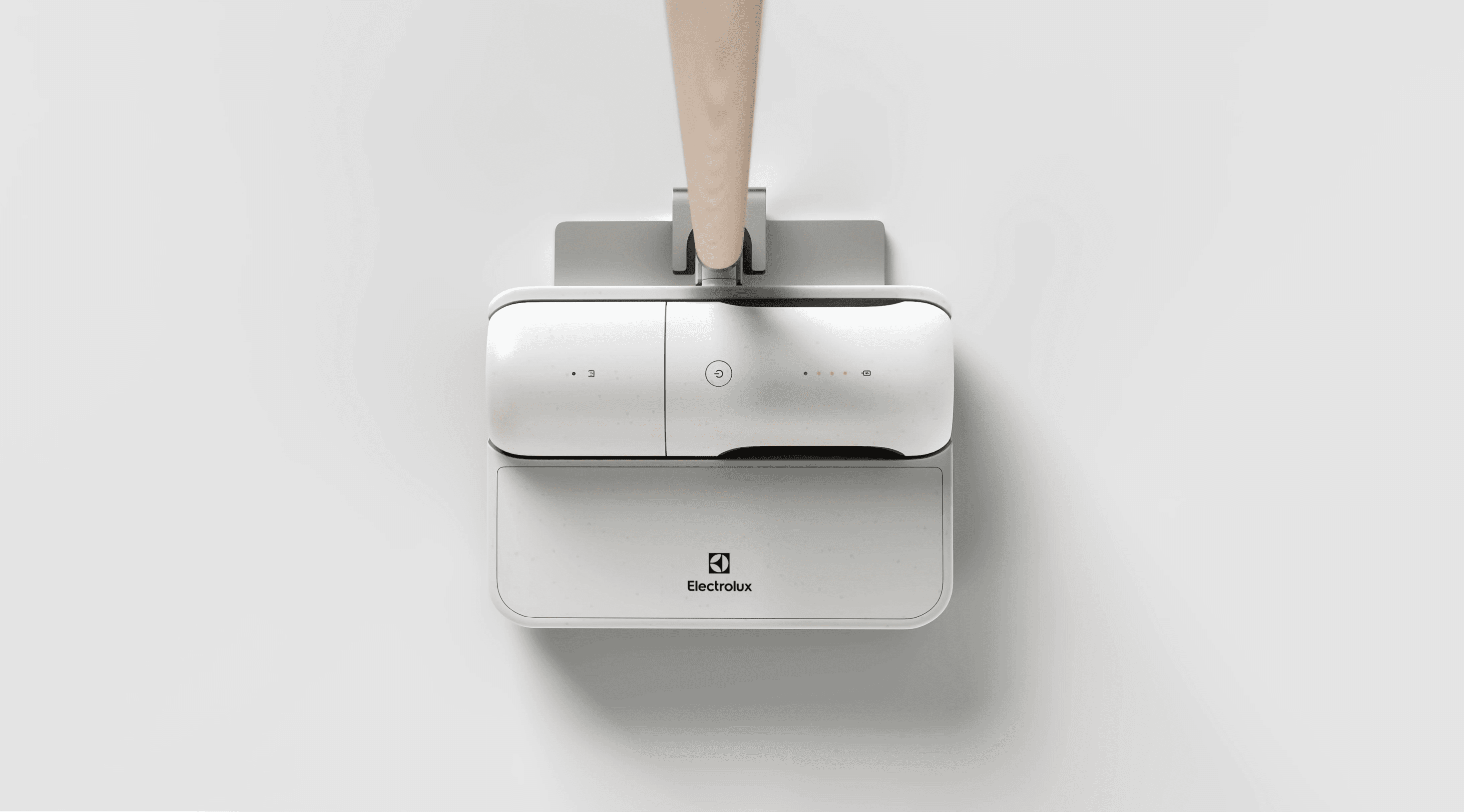
Electrolux
Are you interested in learning more about the project, the tools I used, challenges I faced and the lessons learned? Contact me for the full project documentation that dives deeper into my design process.